
Transport and infrastructure during the 2026 World Cup
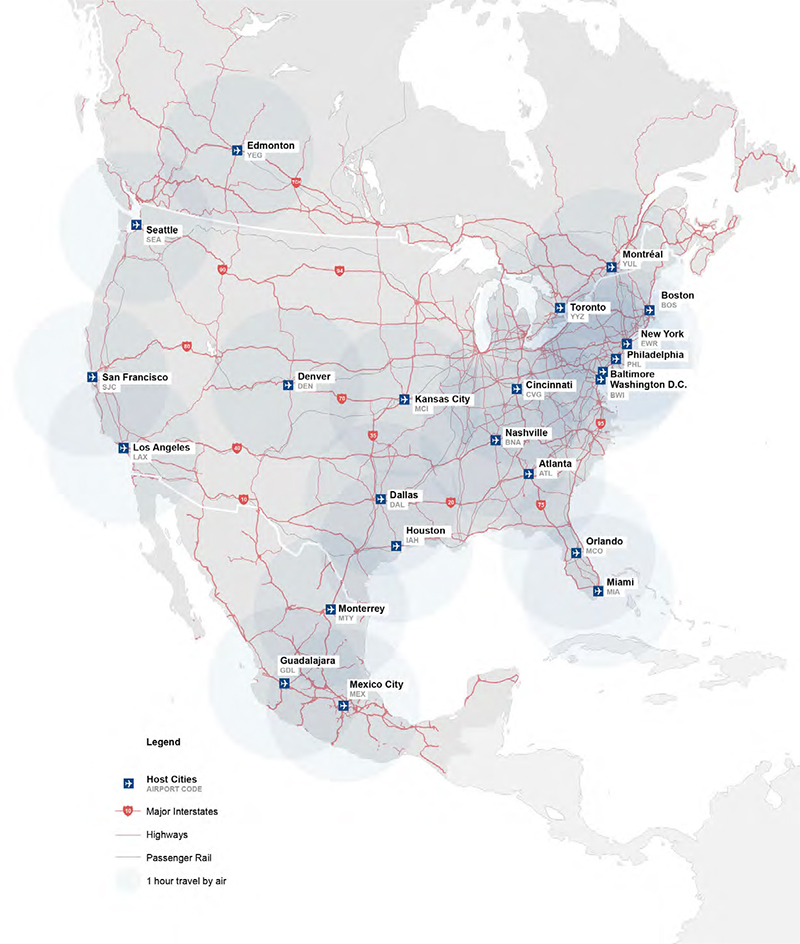
During the 2026 World Cup in Canada, the US and Mexico, millions of fans and participants from all over the world will travel to the host cities. Here is an overview of the main airports in each city, with a focus on their connections and transport options.
During the 2026 World Cup, millions of fans, players and officials will be using extensive transportation networks in Canada, the US and Mexico. This article highlights the transportation options, infrastructure and mobility that are essential to the success of this tournament.
Transport strategy for the 2026 World Cup
The 2026 World Cup, the first to feature 48 teams, will require efficient transport infrastructure. Thanks to existing transport networks and continued investment in mobility, the host countries are well prepared to meet the high demand. Sustainability plays a key role in this, with innovations focused on environmentally friendly transport.
Transport between the host cities
All host countries are working closely with governments to enable seamless cross-border travel. Airports and transport hubs are being reinforced with additional staff and digital information platforms to guide fans and participants smoothly through border controls. This ensures efficient handling of all travel movements.
Local public transport and mobility
Each host city offers an extensive public transport network, including bus, metro and tram. Visitors can use public transport to the stadiums free of charge on match days. All cities have well-functioning public transport systems and are experienced in hosting major events.
Sustainable transport and infrastructure
The 2026 World Cup organisation is committed to green mobility. Cities are developing and expanding their networks of energy-efficient transport, such as electric buses, bicycles and pedestrian paths. This will reduce the ecological footprint of the tournament, while fans will be able to use environmentally friendly options for their travel.
Match related transport and VIP transport
for teams, VIPs and officials. This will include luxury low-emission vehicles and police escorts where necessary. In addition, travel distances between host cities will be minimised to optimise player performance and reduce environmental impact.
Future-oriented transport solutions
The organization remains flexible in planning transport solutions for the 2026 World Cup. Together with mobility experts, the host countries will innovate to set new standards for transport during major sporting events. This includes digital platforms for real-time information and route optimization.
2026 World Cup: infrastructure and airports of all host cities
Below is an overview of the transport options, infrastructure and airports in all host cities. Fans can count on various transport options such as plane, bus, metro and public transport.
Atlanta, United States
Airport: Hartsfield-Jackson Atlanta International Airport is the world’s busiest airport, handling over 100 million passengers annually. With direct flights to major World Cup cities and international destinations such as London and Paris, it is a vital hub. The MARTA train connects the airport directly to the city center and the stadium.
Public transportation and mobility: Atlanta offers an extensive network of buses, subways, and MARTA trains. The city is investing in sustainable mobility, with bike routes and electric buses. This ensures easy access to the stadiums via well-connected hubs.
Baltimore, United States
Airport: Baltimore/Washington International Airport serves both Baltimore and Washington, DC. It is the busiest airport in the region, with easy access by train and bus. BWI is expanding to provide more capacity for international flights, ideal for World Cup visitors.
Public Transportation and Mobility: Baltimore offers buses, water taxis, and the subway. The Charm City Circulator system provides free transportation in the downtown area. The city focuses on green transportation initiatives, including an extensive bike path network.
Boston, United States
Airport: Logan International Airport is located just 3 miles (4.8 km) from downtown Boston and offers international and domestic connections to cities in Europe and Asia. The airport is easily accessible by bus, ferry, and highway.
Public Transportation and Mobility: Boston has a historic subway system, known as the "T," supplemented by extensive bus and ferry service. During events, additional trains are deployed for smooth mobility to stadiums.
Dallas, United States
Airport: Dallas/Fort Worth International Airport is one of the largest airports in the United States, with extensive domestic and international connections. Public transportation, including trains, provides quick access to both Dallas and the World Cup stadium in Arlington.
Public transportation and mobility: Dallas has the largest light rail network in the U.S. The DART system connects the city to its suburbs and offers eco-friendly vehicles and special transportation services for World Cup visitors.
Denver, United States
Airport: Denver International Airport is the largest airport in the United States by area and offers direct flights to Europe and Asia. It is easily accessible for international World Cup fans, with the RTD train connecting the airport to the city center.
Public Transportation and Mobility: Denver has a large rail system and an extensive bike path network. The city encourages public transportation and offers fans easy access to stadiums via bus and streetcar.
Edmonton, Canada
Airport: Edmonton International Airport is the main airport for Northern Alberta. It offers direct flights to destinations in North America and Europe. An express bus connects the airport to the city centre and the stadium.
Public Transportation and Mobility: Edmonton offers buses, light rail, and an extensive bike path network. The city is investing in electric buses and sustainable mobility. Fans can take advantage of efficient public transportation options.
Guadalajara, Mexico
Airport: Miguel Hidalgo y Costilla Guadalajara International Airport is the third busiest airport in Mexico, with domestic and international flights to the US and Latin America. Freeways provide quick access to the stadium.
Public transportation and mobility: Guadalajara has an integrated transportation network with light rail and bus rapid transit. The city encourages active mobility with extensive bicycle routes, and public transportation is well connected to the stadiums.
Houston, United States
Airport: George Bush Intercontinental Airport is a major hub for international flights to Mexico and South America. With over 70 international destinations, it offers excellent connections for World Cup visitors.
Public Transportation and Mobility: Houston has a diverse public transportation system that includes buses and light rail. The city is investing in green transportation solutions and offers fans environmentally friendly transportation options to events.
Kansas City, United States
Airport: Kansas City International Airport is small but efficient, with direct flights to major domestic destinations. The airport is being renovated for more capacity and modern facilities by 2026.
Public Transportation and Mobility: Kansas City offers bus rapid transit and a successful streetcar system. The city invests in smart transportation technologies and extensive bike lanes. Fans can easily travel to stadiums via public transportation.
Los Angeles, United States
Airport: Los Angeles International Airport (LAX) is one of the busiest airports in the world, with extensive international connections. LAX is currently undergoing a major renovation to provide more capacity.
Public Transportation and Mobility: Los Angeles offers a robust public transportation network with subway, light rail, and buses. The city is investing in electric buses and extensive bike lanes. Fans can travel to stadiums via a variety of transit options.
Mexico City, Mexico
Airport: Mexico City International Airport is Mexico's main international hub with direct flights to more than 50 international destinations. A new airport is planned for 2026 to provide more capacity.
Public transportation and mobility: Mexico City has the largest metro system in Latin America, supplemented by bus and light rail services. Bicycle and walking paths are well developed for sustainable mobility.
Miami, United States
Airport: Miami International Airport is a major hub for flights to the Caribbean and South America. The airport offers extensive international connections.
Public Transportation and Mobility: Miami has an extensive public transportation system including subways, buses, and the Metromover. The city encourages bicycle use with a large bike-share program. Fans can easily travel to stadiums via public transportation.
Monterrey, Mexico
Airport: Monterrey International Airport offers connections to major cities in the US and Latin America. The airport is easily accessible by freeways and shuttle services.
Public transportation and mobility: Monterrey offers an efficient public transportation network with metro and bus rapid transit. The city is investing in electric buses and bicycle routes for easy access to the stadiums.
Montreal, Canada
Airport: Montréal- Trudeau International Airport is one of Canada's largest airports with direct flights to Europe, the US and Asia. Renovations have made the airport a modern travel experience.
Public transport and mobility: Montreal has an extensive bus and metro system. The city is investing in bike lanes and electric buses. Public transport is well connected to stadiums and tourist sites.
Nashville, United States
Airport: Nashville International Airport offers both domestic and international connections. The airport will undergo extensive renovations by 2026, including a new international terminal.
Public Transportation and Mobility: Nashville offers a growing network of buses and commuter rail. The city encourages bicycle use and invests in sustainable mobility. Fans can easily travel to games via public transportation.
New York/New Jersey, United States
Airport: Newark Liberty International Airport offers extensive international flights to Europe and Asia. Renovations and new rail connections to Manhattan will further enhance the travel experience.
Public Transportation and Mobility: New York and New Jersey offer an extensive network of subways, buses, and trains. The city invests in sustainable transportation solutions and extensive bike lanes. Fans can travel to the stadiums via various transit options.
Orlando, United States
Airport: Orlando International Airport offers direct flights to many international destinations. Planned terminal expansion and new rail connections will make traveling even easier.
Public transportation and mobility: Orlando offers an extensive network of buses and the SunRail. The city invests in sustainable mobility with electric buses and bike paths. Fans can easily travel to the stadiums via public transportation.
Philadelphia, United States
Airport: Philadelphia International Airport offers direct flights to Europe and North America. The airport is undergoing expansions for increased capacity and improved passenger facilities.
Public transportation and mobility: Philadelphia offers an extensive subway system and bus network. The city invests in sustainable transportation solutions and bike routes. Public transportation is well connected to stadiums and major venues.
San Francisco Bay Area, United States
Airport: Mineta San José International Airport offers domestic and international connections. By 2026, the airport will be further expanded with more gates and improved facilities.
Public Transportation and Mobility: The San Francisco Bay Area has an extensive transportation network with BART, Caltrain and buses. The city is investing in sustainable mobility with electric buses and bike lanes.
Seattle, United States
Airport: Seattle-Tacoma International Airport offers excellent connections to the city center via light rail, giving fans quick access to the stadiums.
Public transportation and mobility: Seattle offers an extensive network of buses, light rail and ferries. The city invests in sustainable mobility with bike lanes and electric buses. Fans can easily travel to the stadiums via public transportation.
Toronto, Canada
Airport: Toronto Pearson International Airport is Canada's largest airport, offering connections to all continents. The airport is being expanded to provide more capacity.
Public transit and mobility: Toronto offers an extensive network of subways, buses and streetcars. The city is investing in sustainable mobility with bike lanes and electric buses. Fans can easily travel to the stadiums via public transit.
Washington, DC, United States
Airport: Washington, DC is served by several airports, including Baltimore-Washington International Airport, and offers international connections.
Public Transportation and Mobility: Washington, DC has an extensive metro system and bus network. The city invests in sustainable transportation solutions and bike lanes. Public transportation is well connected to stadiums and major venues.
Extensive transport infrastructure for football fans
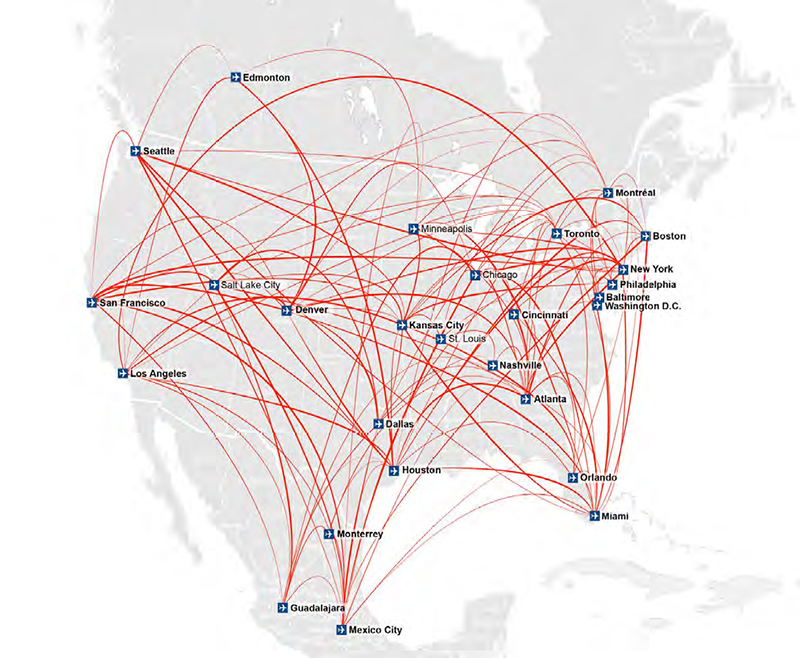
The 2026 World Cup will feature a comprehensive transport infrastructure that will support the mobility of millions of fans, players and officials. Sustainable and innovative solutions will enable visitors to travel seamlessly between and within the host cities, with minimal disruption to local communities.
The 2026 World Cup offers excellent transport infrastructure in all host cities. Thanks to various public transport options such as bus, metro and tram, fans can travel easily. Sustainable mobility and extensive infrastructure ensure seamless mobility during the tournament.
Share
Share this message via social media with your family, friends and colleagues!
Explore transportation and infrastructure options for the 2026 World Cup. Travel by bus, metro, and public transit in cities across Canada, the US, and Mexico.
About the author

Author of this content is Patrick. I have been playing soccer for more than 25 years and follow the daily news closely. My hobbies include playing football, running and maintaining various websites, in addition to my job as a financial professional.
I do not work for any related company or institution, so the information is reliable and independent. The information has been collected accurately from reliable sources and is regularly updated.