
World Cup 2026 mascot
Everything about the official mascot of the 2026 World Cup. Learn about the characteristics and personality of the mascot. What does the mascot look like?
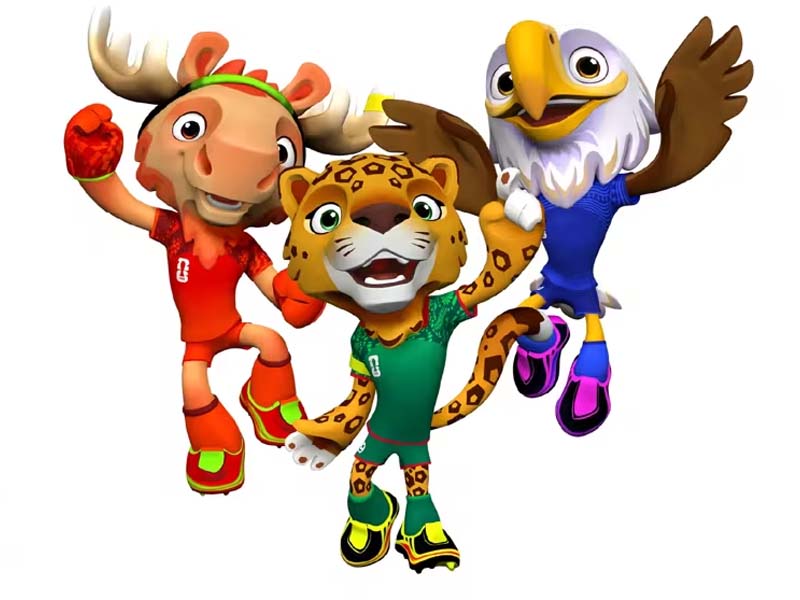
The FIFA World Cup 2026 will feature three distinctive faces that add extra colour and excitement to the tournament. The official mascots – Maple the Moose, Zayu the Jaguar and Clutch the Bald Eagle – represent Canada, Mexico and the United States respectively. Together, they form a joyful and symbolic trio that stands for unity, diversity and passion for football. These three characters bring not only energy and fun, but also reflect the unique culture and pride of each host nation of the World Cup 2026. [ref]
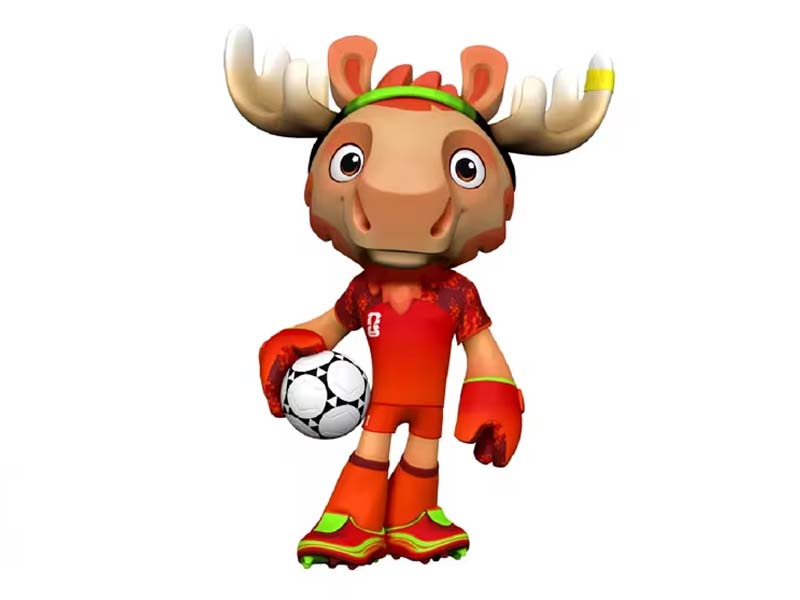
Maple the Moose – proud ambassador of Canada
Maple the Moose is a creative and adventurous mascot deeply rooted in Canadian culture. This friendly moose was born to roam and explores every province and territory of Canada with great enthusiasm. Along the way, Maple connects with people from all backgrounds and celebrates the country’s rich diversity.
Maple is more than just a sports fan – he is an artist and music lover who expresses himself through colour, rhythm and creativity. On the pitch, he shines as a goalkeeper, known for his spectacular saves and strong leadership. His motto centres on resilience, individuality and togetherness.
The moose – a true Canadian symbol – represents strength, calm and a bond with nature. Maple the Moose embodies all of this. He brings the spirit of Canada to life: open, friendly and always seeking harmony. Whether in a stadium or a video game, Maple encourages everyone to be themselves and play with heart.
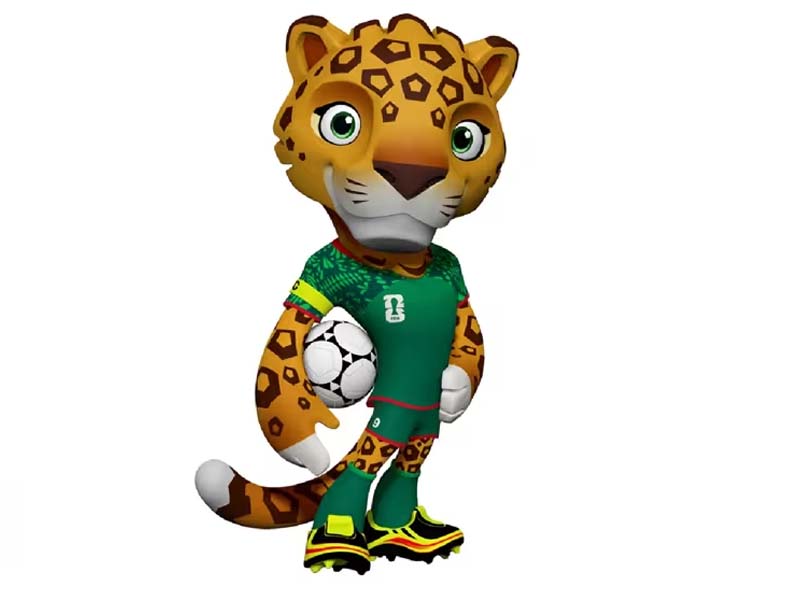
Zayu the Jaguar – strength and culture from Mexico
From the jungles of southern Mexico comes Zayu the Jaguar, a mascot full of energy, passion and rhythm. His name stands for strength, unity and joy – qualities deeply rooted in Mexican identity. On the pitch, Zayu is a fast, inventive striker who surprises defenders with creativity and agility.
Off the field, Zayu is a true ambassador of Mexican culture. He loves dance, food, music and tradition – all the elements that make Mexico so vibrant. Zayu brings people together through his enthusiasm and symbolises the pride of a nation with a rich history and a fiery love for football.
His personality stands for more than sport alone: Zayu represents connection between people, cultures and generations. During the World Cup 2026, he will inspire young fans around the world – both on and off the pitch. Zayu proves that football is more than a game – it is a celebration of identity, community and passion.
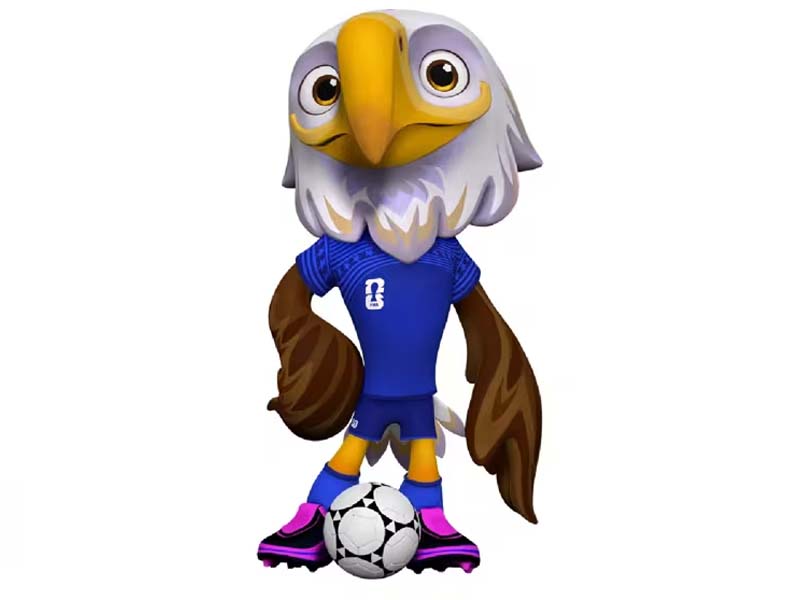
Clutch the Bald Eagle – the fiery spirit of the United States
The third mascot, Clutch the Bald Eagle, symbolises freedom, adventure and determination – values closely associated with the United States. Clutch travels from coast to coast, embracing every culture, match and challenge with contagious energy and optimism.
On the pitch, Clutch is a strong and intelligent midfielder who motivates his team and never gives up. Off the field, he acts as a unifier, bringing people together through sport and positive energy. His name – “Clutch” – refers to his ability to perform when it matters most, just like legendary players do under pressure.
The bald eagle, the national bird of the USA, symbolises courage, independence and ambition. Clutch the Bald Eagle perfectly represents these values. He teaches fans that true greatness is not just about physical strength, but about passion, teamwork and believing in something bigger.
Mascots that transcend borders
The three mascots of the World Cup 2026 – Maple, Zayu and Clutch – stand for more than national pride. They represent the unity between the three host nations and a shared love for the beautiful game. Their stories are designed to inspire young fans, both in stadiums and in the digital world.
For the first time in World Cup history, these mascots will be playable in the new FIFA game FIFA Heroes, launching in 2026. Millions of fans will have the chance to join Maple, Zayu and Clutch on adventures – not just on the field, but also in virtual worlds. In addition, the three characters will appear in the online game FIFA Super League Soccer on Roblox, where players can earn exclusive rewards.
During the tournament – which runs from 11 June to 19 July 2026 and features 48 teams for the first time – Maple, Zayu and Clutch will be seen everywhere: on merchandise, in stadiums and at events across Canada, Mexico and the United States.
Together, these three mascots form a colourful symbol of cooperation, joy and global unity. The FIFA World Cup 2026 will not only be a sporting spectacle, but also a cultural celebration where Maple the Moose, Zayu the Jaguar and Clutch the Bald Eagle capture the hearts of millions of fans around the world.
All the mascots of the World Cup football
Since 1966, there have been 14 mascots for the World Cup:
Mascot World Cup 1966
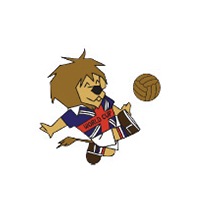
Host country: England
Name: Willy
Description: Willy is the first mascot of the World Cup. This mascot is a lion, which comes from the national symbol of England. The t-shirt features the flag of the United Kingdom, as well as the words 'World Cup'.
Mascot World Cup 1970
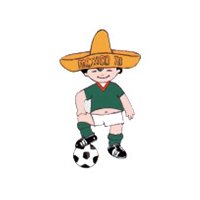
Host country: Mexico
Name: Juanito
Description: Juanito is a Mexican boy with a big sombrero on his head. It is immediately noticeable that this World Cup is being held in Mexico. This is also apparent from the text on the sombrero. Juanito means 'little Juan'. Juan is a name that is very common in Mexico. The clothing is the same as the clothing of the Mexican national team.
Mascot World Cup 1974
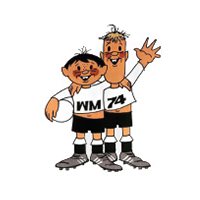
Host country: Germany
Name: Tip en Tap
Description: Tip and Tap are the mascots of the World Cup in Germany. The boys also wear clothes from the German national team. The letters 'WM' on Tip's t-shirt stand for 'Weltmeisterschaft', which means world championship. The numbers '74' on Tap's t-shirt represent the year 1974.
Mascot World Cup 1978
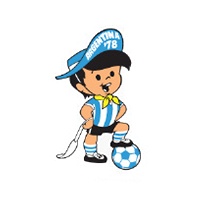
Host country: Argentina
Name: Gauchito
Description: Gauchito wears the clothes of the Argentina national team. He also has a ball with him, just like all previous mascots. The hat reads 'Argentina '78'. Gauchito means 'little gaucho'. A gaucho is a descendant of the Spanish rulers who lived in Mexico in the past. The whip and his handkerchief are traditional features of a gaucho.
Mascot World Cup 1982
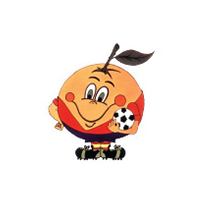
Host country: Spain
Name: Naranjito
Description: Naranjito is an orange, a typical Spanish fruit. The mascot thus refers to the organizing country Spain. Naranja also means orange. The addition '-ito' is a diminutive, meaning the mascot means 'little orange'. Naranjito wears the clothes of the Spanish national team. He has a big smile because of the fun in football sport.
Mascot World Cup 1986
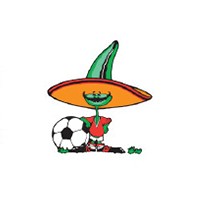
Host country: Mexico
Name: Senor Pique
Description: Senor Pique is a typical Mexican fruit, namely a jalapeno chili pepper. The name Pique refers to the Mexican word 'picante', which means spicy or pungent. Senor Pique has a big Mexican hat on. This hat, together with the big mustache, suits the typical Mexican men.
Mascot World Cup 1990
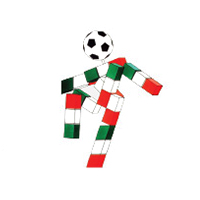
Host country: Italy
Name: Ciao
Description: The previous mascots were all an animal. The mascot of the World Cup in Italy, on the other hand, is a wooden type, made of slats or stones. Each of Ciao's limbs has the three colors of the Italian flag, namely green, white and red. Ciao's head is a soccer ball. The name Ciao means a greeting, something like 'hello'.
Mascot World Cup 1994
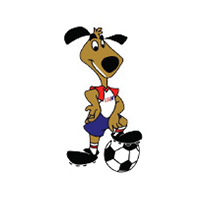
Host country: United States
Name: Striker
Description: The mascot of the US is again an animal. Striker is a dog and was chosen by the Americans as the mascot for the World Cup. The dog is the most commonly kept animal and is a symbol of solidarity. Warner Bros. designed this mascot. Striker wears clothing in the colors of the American flag, namely red, white and blue. The t-shirt reads 'USA '94'.
Mascot World Cup 1998
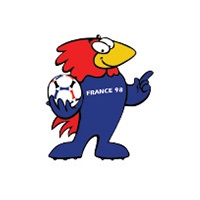
Host country: France
Name: Footix
Description: The mascot of France is also an animal. In this case, Footix is a rooster, the national symbol. Footix is dark blue, as are the colors of the French national team. The name Footix consists of two parts: 'Foot' and the suffix '-ix'. 'Foot' is a reference to football. '-ix' is a reference to Asterix, a French cartoon character.
Mascot World Cup 2002
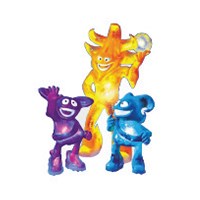
Host country: South Korea and Japan
Name: Kaz, Ato en Nik
Description: Until now, the World Cup mascots were drawn as a cartoon character. Kaz, Ato and Nik are computer-drawn as figures from the future. The three mascots play 'Atmoball'. This is an imaginary future sport that resembles football. Kaz and Nik are players of a team, of which Ato is the coach. The three names were chosen by the people of South Korea and Japan. Voting was possible via the internet and at McDonald's. McDonald's was the main sponsor of the 2002 World Cup and received extra publicity in this way.
Mascot World Cup 2006
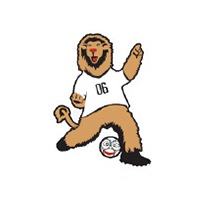
Host country: Germany
Name: Goleo VI
Description: Goleo VI looks like one mascot, but in reality there are two. Goleo is the lion and the ball is called Pille. Goleo VI was designed by Jim Henson Studios who are known for the Muppets. The choice of a lion as a mascot did not go down well with all Germans, because the national symbol is originally the eagle.
Mascot World Cup 2010
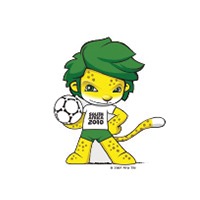
Host country: South Africa
Name: Zakumi
Description: The mascot of South Africa is a leopard. This animal is common in South Africa. The name Zakumi consists of two parts: 'Za' and 'Kumi'. 'Za' refers to 'South Africa' and 'Kumi' stands for the number ten. Zakumi represents the people, geography and spirit of South Africa, making him the emblem of the World Cup.
Mascot World Cup 2014
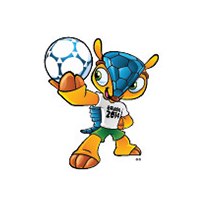
Host country: Brazil
Name: Fuleco
Description: Fuleco is Brazil's mascot for the 2014 World Cup. The name Fuleco consists of two parts: 'futebol' and 'ecologia'. This gives the name of the mascot a political touch, namely that people with a passion for football should also think of the environment and nature. This is also reflected in the fact that Fuleco is an armadillo. This animal is in danger of extinction in Brazil. This mascot was also chosen by the inhabitants of Brazil.
Mascot World Cup 2018
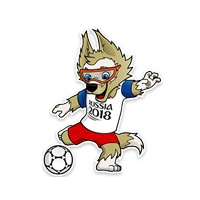
Host country: Russia
Name: Zabivaka
Description: The mascot of Russia is a wolf. This mascot exudes fun and confidence and is very charming. The name Zabivaka in Russian means something like 'the one who scores'. The wolf was elected by the Russian people with 53% of the vote. While playing football, the mascot wears sports glasses, which he believes give him special powers on the field.
Mascot World Cup 2022
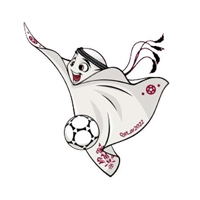
Host country: Qatar
Name: La'eeb
Description: La'eeb is the mascot of the World Cup in Qatar. This mascot is a kind of cloth that invites everyone to believe in themselves. The name means 'super skilled player' in Arabic. La'eeb comes from a parallel world where all the World Cup mascots live.
Mascot World Cup 2026
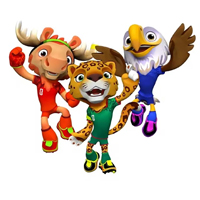
Host country: Canada, Mexico and the US
Name: Maple the Moose, Zayu the Jaguar and Clutch the Bald Eagle
Description: Together, they form a joyful and symbolic trio that stands for unity, diversity and passion for football. These three characters bring not only energy and fun, but also reflect the unique culture and pride of each host nation of the World Cup 2026.
References
[hide]Share
Share this message via social media with your family, friends and colleagues!
Everything about the official mascot of the 2026 World Cup. Learn about the characteristics and personality of the mascot. What does the mascot look like?
About the author

Author of this content is Patrick. I have been playing soccer for more than 25 years and follow the daily news closely. My hobbies include playing football, running and maintaining various websites, in addition to my job as a financial professional.
I do not work for any related company or institution, so the information is reliable and independent. The information has been collected accurately from reliable sources and is regularly updated.